Admitere2026
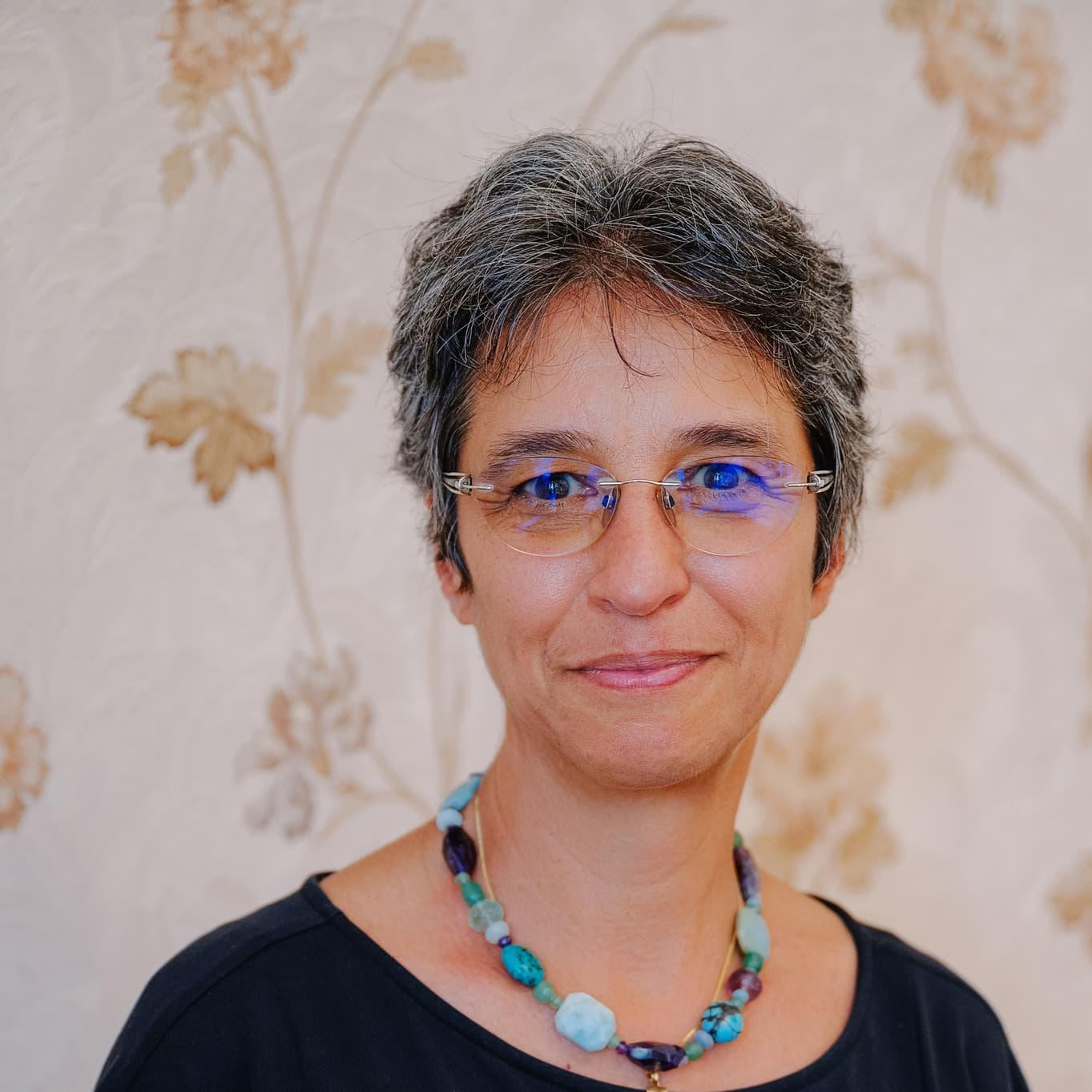
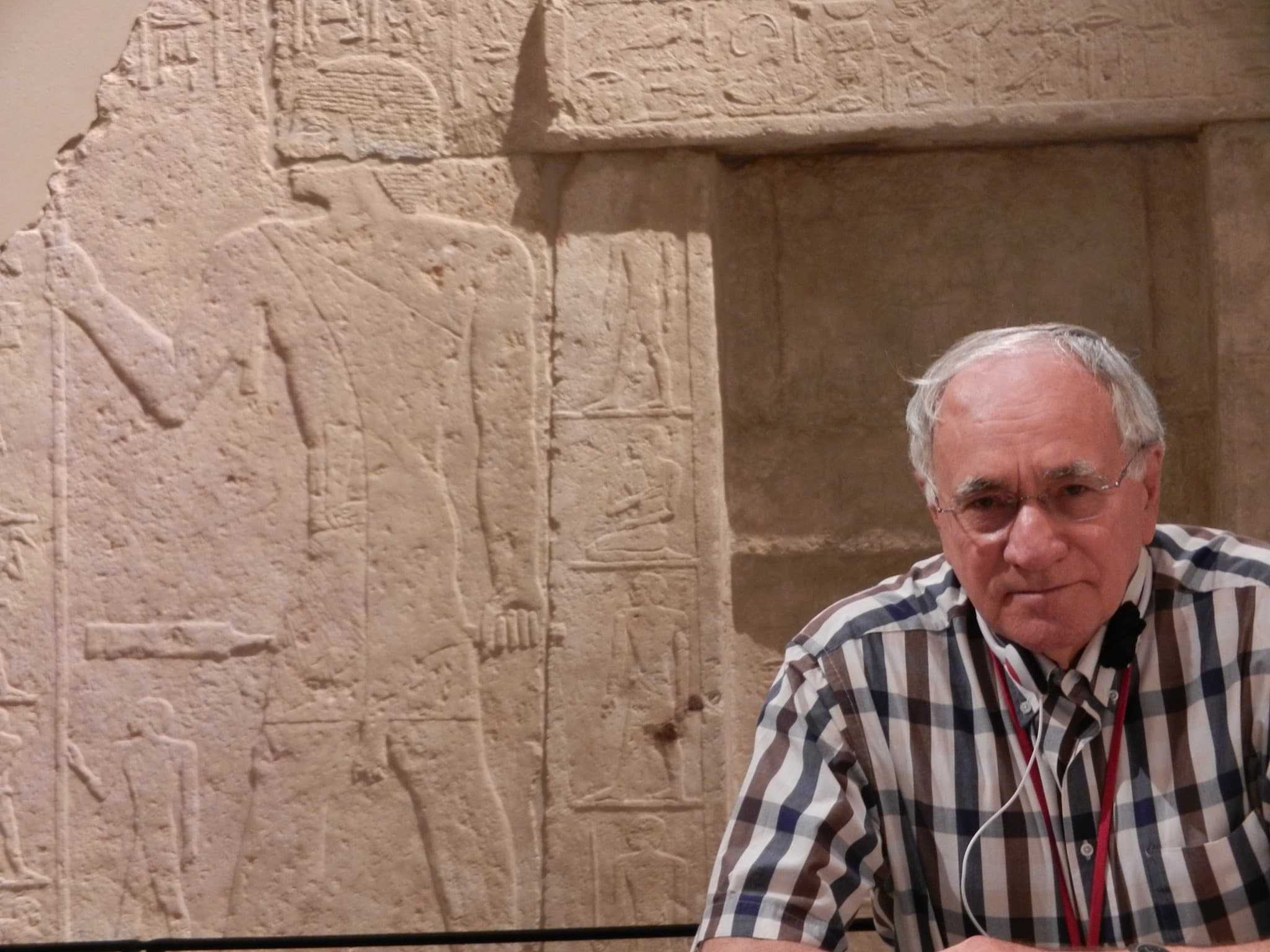
Portrait of Sorin Alexandrescu
Profesor dr.

Sorin Alexandrescu

Sorin Alexandrescu He graduated from the Faculty of Letters at the University of Bucharest in 1959, subsequently becoming an assistant professor (1963) and associate professor (1966) in the Department of Comparative Literature. He earned his doctorate in 1971 with a dissertation on Faulkner. In 1969, he moved to the University of Amsterdam, where he became an associate professor (1976) and professor (1980) of Romanian literature and semiotics. He is the founder of the journal International Journal of Romanian Studies and the International Association of Romanian Studies; and in the field of semiotics, the Dutch Association for Semiotics and the Research Institute of the University of Amsterdam for semiotics, literary theory, philosophy, and art theory (ISELK), a permanent member of A.J. Greimas’s Semiotic Research Group in Paris, as well as of the advisory committee of the International Association for Semiotics. He was a co-organizer of two major exhibitions of Romanian art: Heaven and Earth. Imaginary Worlds (Maastricht, 1991) and Figurative Art: The Early and Late 20th Century in Romania (Amstelveen, 1998). He became involved in public campaigns against the communist dictatorship, founding in 1988, in Amsterdam, alongside prominent politicians and journalists, the Committee for the Defense of Human Rights in Romania (Roemenië Comité) and the publication Roemenië Bulletin, frequently analyzing the situation in Romania in NRC Handelsblad and Oost Europa Verkenningen (Amsterdam), as well as on Dutch radio and television, and organizing, through the Roemenië Comité, numerous public protest demonstrations in Amsterdam and The Hague. He arrived in Bucharest with a team of Dutch journalists three days after the Revolution, to provide “live” reports, as well as to assist in the restoration of the Central University Library. He subsequently taught university courses in Bucharest, Constanța, and Iași. Between 1998 and 2000, he served as an advisor on culture and education to President Emil Constantinescu. In 2002, now a professor emeritus at the University of Amsterdam, he returned as an associate professor at the University of Bucharest and, together with Laura Mesina and other colleagues, founded the Center of Excellence in Image Studies (CESI), which offers master’s, doctoral, and postdoctoral programs, where he continues to work today. He has published numerous books, including William Faulkner (Publishing House for World Literature, 1969), Poetics and Stylistics (Univers, 1972), Character logic (Mame, 1974), Richard Rorty (Kok Agora, 1995), Romania. Stories of Our Time – Romania. Contemporary Stories (publisher: Meulenhoff, 1988), Figurative Art: The Beginning and End of the 20th Century in Romania (Amstelveen, Cobra Museum, 1998), The Romanian Paradox (Univers, 1998), Modernity in the East: 13 Insights into Romanian Literature (Paralela 45, 1999), Looking back, modernity (Univers, 1999), Identity in Crisis (Univers, 2000), Mircea Eliade, from Portugal (Humanitas, 2006), The Uncertain World of Everyday Life (Polirom, 2021), as well as hundreds of articles and studies, such as those in the volumes edited by A.J. Greimas (Larousse, 1973, and Hachette, 1979) and by H. Parret (de Gruyter, 1983). He received the Romanian Writers’ Union Award for literary criticism and history in 1969 (for *William Faulkner*) and 1998 (for *The Romanian Paradox*), the Social Dialogue Group Award for promoting an accurate image of Romania abroad and for his support of Romanian civil society (1998), the Order of Orange-Nassau in the rank of Officer, awarded by the Queen of the Netherlands (2002), the Order of the Crown of Romania in the rank of Knight, awarded by the Royal House of Romania (2017), and the “9th Cantemir Prize,” an award presented during the Royal Colloquiums (2022), under the High Patronage of His Royal Highness Prince Radu of Romania. Since 2022, he has been an Honorary Member of the Romanian Academy.
Portrait of Laura Mesina
Profesor dr. habil.

Laura Mesina

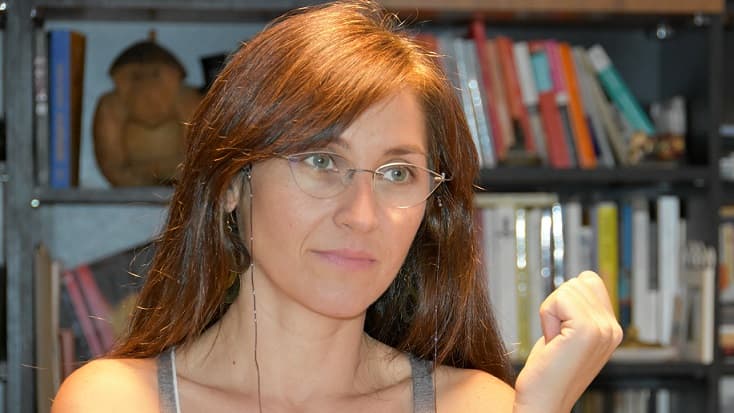
Laura Mesina He is an associate professor of cultural studies, coordinator of the SD SITT study programs, a founding member and scientific secretary of CESI. He is a member of the Romanian Academy, the Accademia di Romania in Rome, a member of international associations in history and cultural studies, and co-founding president of the Imagora-CESI Association. His research at CESI focuses primarily on the image, the imaginary, and European urban culture. Its own transdisciplinary working methods include: the archaeology of the imaginary, the critical genealogy of cultural forms, and multimedia neo-ekphrastics. Its studies focus on the representation of power in texts, the arts, and architecture, and, subsequently, on the mechanisms of the gaze and the effect of presence of the cultural object. The curriculum explores the history of ideas and institutions with reference to: urban heritage and collective memory; the circulation and transformation of cultural forms and concepts; theories and practices of change in urban culture and education; metamodernity and multiperspectivism as a critical method; post-corinternational, Digital Age and documentary (Maurizio Ferraris, 2021). Projects 2021–2023 The Post-Byzantine Renaissance in Eastern Europe: Prince Neagoe Basarab Through Texts and Images, Edited by: Laura Mesina (CESI, University of Bucharest) and Alice Isabella Sullivan (Tufts University) The Minor Romanesque: Genealogies of the Image (Polirom Publishing House), Author: Laura Mesina ARCO – Alumni of the Romanian Academy in Rome Colloquia (1st Edition, 2022). Transdisciplinarity in Contemporary Romanian Sciences and Arts. ARR Alumni. The Romanian School in Rome: On the Centennial (1922–2022), Coordination and editing of the anthology: Laura Mesina (CESI, University of Bucharest) and Oana Boșca-Mălin (Accademia di Romania)

Portrait of Raluca Bibiri
Lector dr.

Raluca Bibiri

Her research projects explore posthumanist methodologies for examining the relationship between visual and material culture and ecosystems, by establishing connections and continuities within the transdisciplinary, expanded epistemic fabric surrounding intersectional feminist issues. Her research encompasses sexual and gender differences, poststructuralist psychoanalysis, matrixial aesthetics, trauma studies, and various forms of visual representation, with an emphasis on the kinetic-performative component—video installation, experimental film, documentary, and fiction. Her recent interests focus on the collaborative environment of the arts, within a space of cohabitation and integration of the more-than-human; the dissolution of disciplinary boundaries and the transmedial opening of the space of representation; transhumanist theories of cyborg corporeality and visuality in the virtual environment. Published works Female Self-Representation: A Cultural Psychoanalysis, University of Bucharest Press, 2014 Femininity: From Sexual Difference to Sexual Indifference, University of Bucharest Press, 2014. Projects Relationscapes in Alternative Modern(c)ities (2022) (project coordinator), CIVIS consortium partnership with the University of Glasgow, Aix-Marseille University, and the National and Kapodistrian University of Athens. Historic Cities, Climate Change & Communities (2022) (partnership), a project initiated by Sapienza University of Rome, in the CIVIS consortium with the University of Bucharest and the University of Tübingen.

Portrait of Ileana Marin
Conferențiar dr. habil.

Ileana Marin

Ileana Marin She holds dual affiliations: at the University of Bucharest—the “Space, Image, Text, Territory” Doctoral School (SD SITT)/CESI—and at the University of Washington in Seattle, at the Ellison Center. At both universities, she teaches interdisciplinary courses that stem from her research interests. She has published books on the Pre-Raphaelite artists, Victorian aesthetics, and tragic myths, as well as numerous studies and articles on the materiality of literary, pictorial, and graphic texts. In recent years, she has focused on electronic literature and digital art.

Portrait of Laura Marin
Lector dr.

Laura Marin

After completing a dissertation in philology/history and the semiology of text and image, prepared under joint supervision at the University of Bucharest and Paris Diderot University, defended in 2011, and published two years later under the title Le Neutre: Reading Blanchot in the Footsteps of Levinas and Derrida (EUB, CESI series “Text and Image,” 2013), Laura Marin focuses her research on visual studies, with a particular interest in theories of the image. He edited a special issue titled “Georges Didi-Huberman: Unfolding the Image” in the journal Images. Images. Imageis. Journal of Visual and Cultural Studies (CESI/European Institute, 2016). Between 2015 and 2018, he coordinated a collaborative postdoctoral research project focused on contemporary theories of the figure, which resulted in the publication of three volumes: an anthology of translated theoretical texts (Figure – Body, Art, Space, Language, EUB, 2017), a collection of papers from the international symposium organized as part of the project (Uses of the figure, modes of figuration, EUB, 2017, co-edited by Anca Diaconu) and an anthology bringing together the studies of the project team members (Working Through the Figure: Theory, Practice, Method(EUB, 2018, co-edited by Anca Diaconu). Among other works, he has translated into Romanian two books by Georges Didi-Huberman: In front of the image. A question about the purpose of art history (Tact, 2019) and Ahead of Its Time: Art History and the Anachronism of Images (Tact, 2021). Areas of scientific interest: Theories of the image and the imaginary, critical theory, French theory, intellectual history, memory, and cultural heritage. Courses Taught

Portrait of Alina Mihalache
Lector dr.

Alina-Gabriela Mihalache

Alina Gabriela Mihalache She graduated from the Faculty of Letters at the University of Bucharest (1998), holds a Ph.D. in Philology (2013), and is the author of the book Eugen Ionescu / Eugène Ionesco. From Surrealist Theater to Postdramatic Theater (2016) and the edition Al. Davila, Letters to Mr. X. Essays on Theater (EUB, 2022). He teaches a series of courses on theater history and theory in the “Society, Multimedia, Performance (SMS)” master’s program. He has participated in numerous national and international conferences, symposia, and workshops, presenting various papers on the Romanian literary and theatrical avant-garde in a European context, and has published articles in several academic journals and anthologies. He has written reviews and literary and dramatic critiques for cultural magazines Literary Romania, Cultural Observer, Theater Today, Altitudes etc.

Portrait of Ana-Maria Negoiță
Lector dr.

Ana-Maria Negoiță

Ana Negoiță holds a Ph.D. in Humanities and Arts, completed under a joint supervision program at the University of Bucharest (Center of Excellence in Image Studies) and Babeș-Bolyai University in Cluj-Napoca, and completed a training period as part of a European doctoral fellowship at Sapienza University of Rome. Her professional and academic expertise lies in the fields of visual arts and curatorial studies. A curator of contemporary art with a portfolio that includes major Romanian and international artists, and the curator of numerous exhibitions in galleries, museums, and specialized institutions both in Romania and abroad, and author of studies and articles on the visual arts, Ana Negoiță teaches courses and leads scientific research workshops within the SD-SITT/CESI master’s programs, focusing on 20th-century art, contemporary art, and new technologies in artistic imagery.

Portrait of Corina Popa
Lector dr.

Corina Popa

Corina Popa holds a Ph.D. in Philology (subdomain Linguistics) and is pursuing a second doctoral program in Cultural Studies, at the Center of Excellence in Image Studies. She is the founder of the “Grammar School” project and the host of the grammar segment on ProTV’s morning show “Vorbește lumea.” At CESI, he teaches scientific writing courses in the TPI and SMS master’s programs. Her professional experience is closely linked to the fields of education and research; over the years, she has served as spokesperson for the Ministry of Education (Oct. 2022 – Jan. 2023), advisor to the Department of Education and Research of the Presidential Administration (2021–2022), expert on academic ethics at UEFISCDI (2021–2022), and advisor on education issues to the Romanian Parliament (2019–2021). Published works: Strategies for Building a European Identity in Romanian Diplomatic Discourse (EUB, 2023) Areas of interest: discourse analysis, intercultural communication, diversity pedagogy, intercultural education.

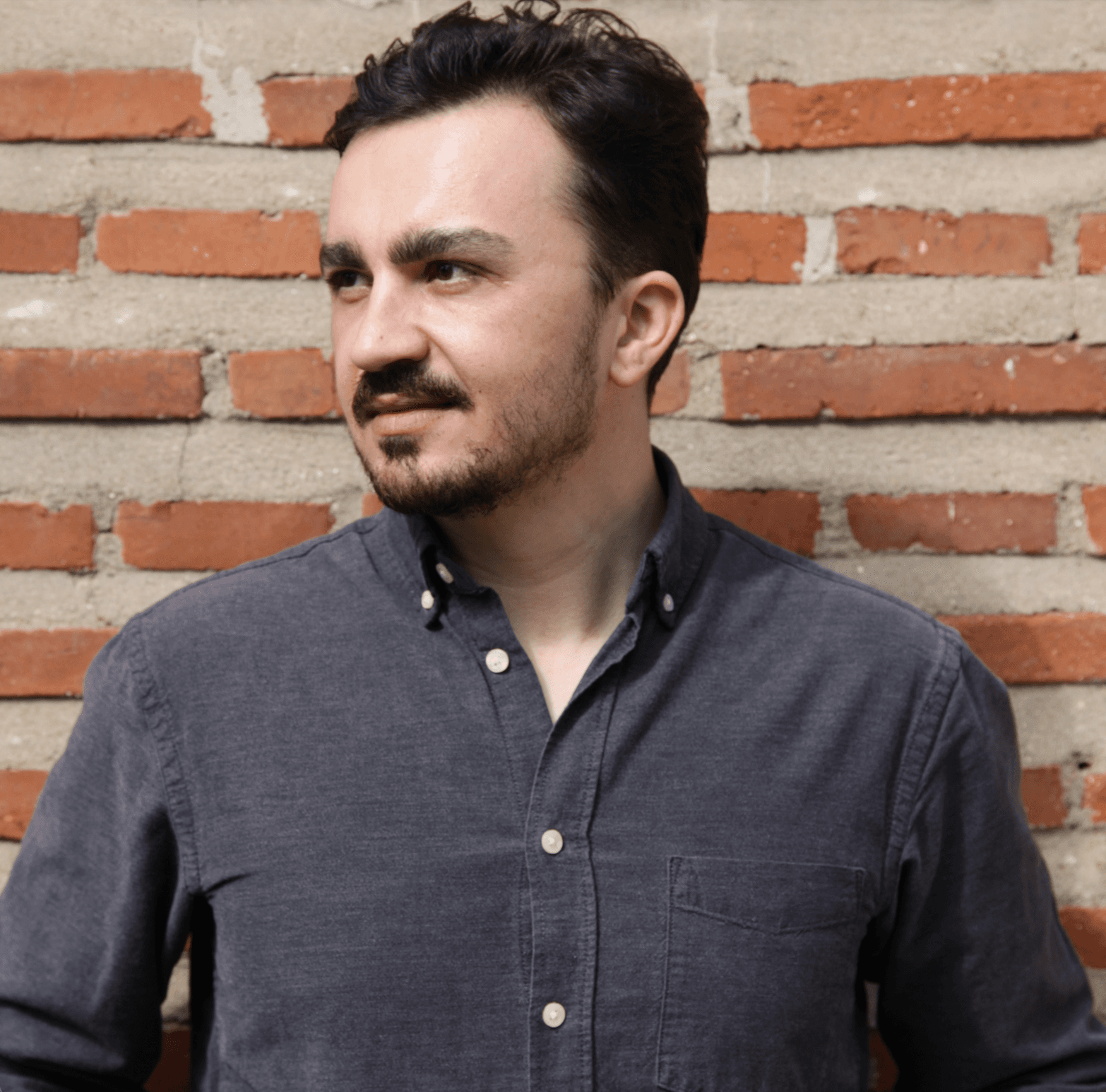
Portrait of Mihai Ometita
Lector dr.

Mihai Ometiță

Mihai Ometiță earned his Ph.D. in philosophy from the University of East Anglia (UK) and completed a research master’s degree at the University of Groningen (NL). He was a postdoctoral fellow at the New Europe College – Institute for Advanced Study (NEC) and subsequently served as a junior researcher and project director at the Research Institute of the University of Bucharest (ICUB). He teaches courses on the philosophy of art, the aesthetics of everyday life, applied ethics in visual media, and film and philosophy. His research projects combine phenomenological and analytical philosophy with cultural and film studies. He is a member of organizations such as the Romanian Society for Phenomenology (SRF) and the Central and East European Society for Phenomenology (CEESP). His publications include a translation from German of Wittgenstein’s phenomenological manuscripts (forthcoming), the co-edited volume *Wittgenstein and Phenomenology* (Routledge, 2018), articles in academic journals, and contributions to edited volumes such as *The Philosophy of Werner Herzog* (Rowman & Littlefield, 2020) or Colours in the Development of Wittgenstein’s Philosophy (Palgrave Macmillan, 2017). He has presented over 40 papers at academic events in various university settings in Belgium, Brazil, France, Germany, the United Kingdom, Norway, and the Netherlands. Recent projects: Modalities of Intentional Action (ModalAct), ICUB 2018–2019 Faces of Cinematographic Modernism (CineMode), UEFISCDI 2020–2022 Available publications – profile Academia.edu The most recent research project – ICUB The most recent academic event – SRF